
10 Step Guide to DIY Pest Control
Easy To Follow Pest Control Strategies
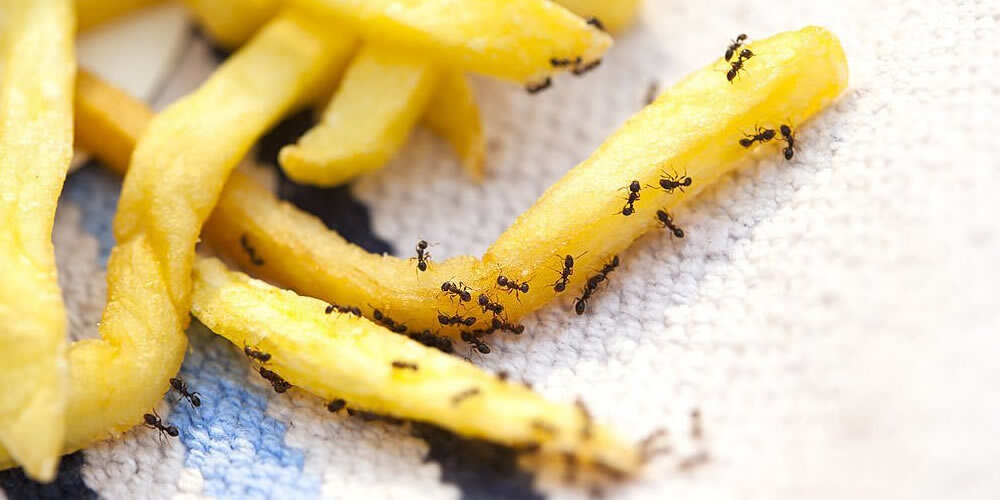
You’ve got pests in your home, and while some people’s instinct might be to call an exterminator others might want to take care of the problem themselves. Thankfully, as long as the pest problem isn’t severe, you should be able to do it yourself. There are many ways to control pests that may find their way into your home. We’ve compiled a list of ten of the most effective methods for getting them out. Let’s look at them further below.
1. First, Work Fast
Immediate action is key to managing pests. The longer you wait before taking care of a problem, the more your food and other assets will be infested with unwanted guests. If you find a single ant or mouse in your home, don’t waste time waiting for more. Get them out immediately so they can’t reproduce.
2. Look For Areas Where Pests May Gather
Pests will always find a way to get into your home, so it’s important that you are aware of any entry points. These include dark corners, food and water sources such as cat bowls or birdfeeders. Check out any openings they can enter through like vents in attics floor. Places that lead outside including basement windows which are often left open at night. Pest control professionals can help identify where they congregate. They look for signs like droppings or cast skins left behind by pests themselves.
3. Use Natural Pest Control
Research natural pest controls before breaking out the insecticides, glue traps, and poisoned bait. The use of natural pest controls is not only better for the environment but it can also be beneficial in other ways. Essential oils and attracting predators to eat pests are two effective techniques that you should consider when managing your garden’s population levels!
4. Clean Your House And Wash Your Clothes
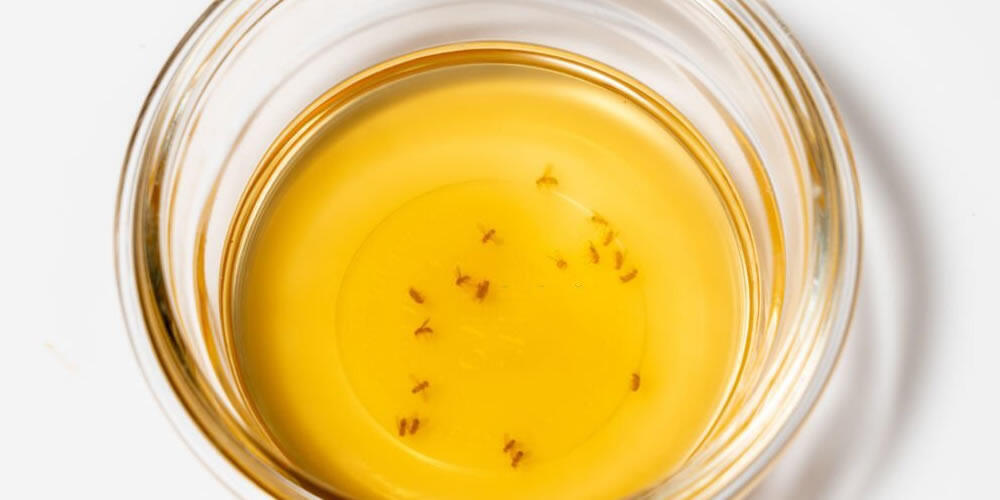
A clean house does not guarantee a pest free environment. However, keeping things clean does prevent the rise of pests and denies them access to resources from your home. Always keep you kitchen and dining area clean. Store all your food in an airtight containers.
Furthermore, washing your clothes and blankets can be a great way to kill hidden pests like bed bugs. These microscopic pests can’t always be seen by the naked eye but they also pose threat to our health.
5. Make A Plan To Deal With Your Specific Pests
Sometimes preventive measures just don’t cut out every single problem. You should always be prepared for the unexpected specially when it comes to pests like ants that can wreak havoc on your home. It’s important not only know how they’re getting in but also create a plan so you’ll never have this problem again.
6. Use Traps
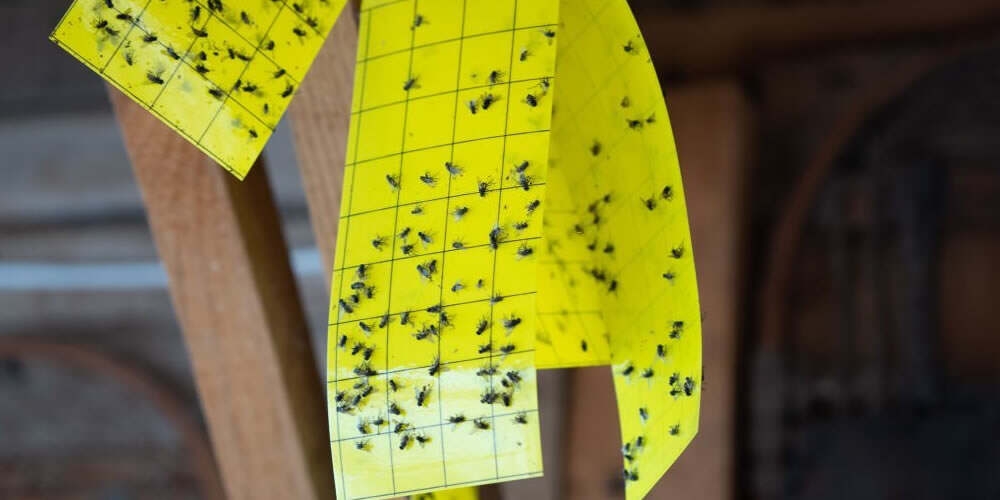
Traps can be a great way to remove all types of pests, not just mice. Set up more traps than you think you need. You can either trap and kill or trap and relocate the pests at a later date. Additionally, If you aren’t catching a lot of pests, you might need to check if you have used the right type of bait. Sometimes the store bought bait is nothing compared to some sugar water or peanut butter.
7. Seal Your Garbage
Make sure you seal up your garbage cans and any other food to keep the pesky pests like raccoons away. If they don’t have anything to eat then why would they want come into your home?
8. Trim Your Branches and Hedges
Hedges and branches that are too close to your home serve as a pathway for bugs and other pests. Trimming them can not only improve the appearance of your property, but it can also keep pests out.
9. Buy Sprays and Bait
Most store-bought sprays and baits are suitable for DIY use. You should only buy the correct insecticide for the right critter and follow the label directions on the package.
10. Be Patient
While it can be tempting to set traps, seal your house, and spray affected areas, and then expect that your pest problems have been solved, DIY pest control will take time. As long as you can be patient and let the methods you have set up do their work, your pest problem will be easily solved.
Pest control doesn’t always require the services of a professional, and while it is important to know when professional help is needed, taking care of the problem with some DIY work is always a good thing to do!